PORT ST LUCIE REAL ESTATE
Local Realtors. Clear Advice. Better Decisions.
Selling your Port St Lucie home starts with knowing what it is worth and having a local team that understands the market.
Get practical guidance on pricing, preparation, negotiations, inspections, appraisals, and closing — without pressure.
Local Market Focus
Seller Guidance
Free Home Valuation

Port St Lucie
Local real estate guidance
Ready to talk about selling?
Call with questions or start with a free home valuation.
How Much is Your Home Worth?
Find out what your Port St Lucie home may be worth in today's market. Unlike an automated estimate, our valuation considers recent comparable sales, neighborhood trends, current buyer demand, and the specific condition and features of your property.
Get a Free Home Valuation
Complete the short form below for a free home valuation.
Sellers Closing Costs
Use this calculator to estimate common seller expenses and the approximate amount you may receive at closing. The estimate includes documentary stamp tax, prorated property taxes, title insurance, closing and lien-search fees, commission, your mortgage payoff, and any other seller-paid costs you enter.
Enter the full annual property-tax amount. Enter 0 only when appropriate for your estimate.
Examples include buyer concessions, repair credits, association charges, or other negotiated expenses.
This calculator provides an estimate only. Actual costs vary according to the contract, commission agreement, title company, tax proration, mortgage payoff, association charges, liens, repairs, concessions, and other transaction-specific items.
Do You Need to Make Repairs Before Listing Your Home For Sale? Yes!
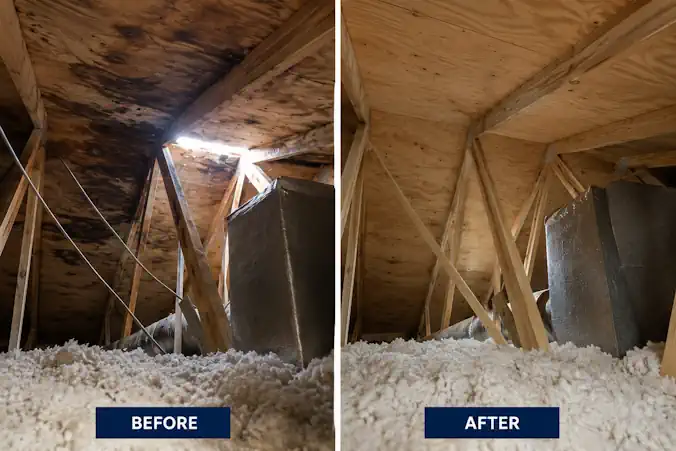
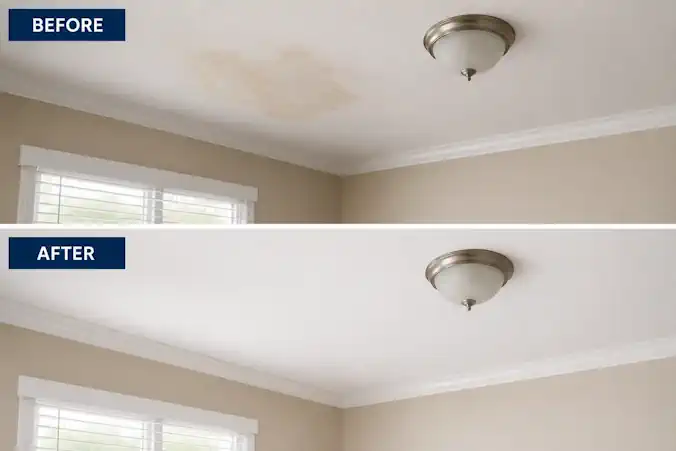
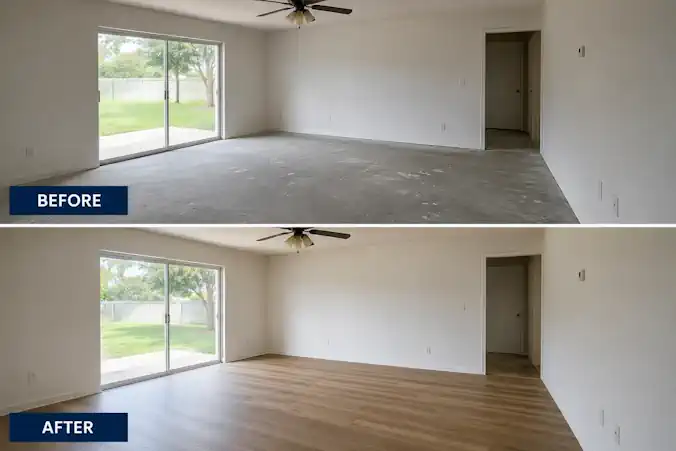
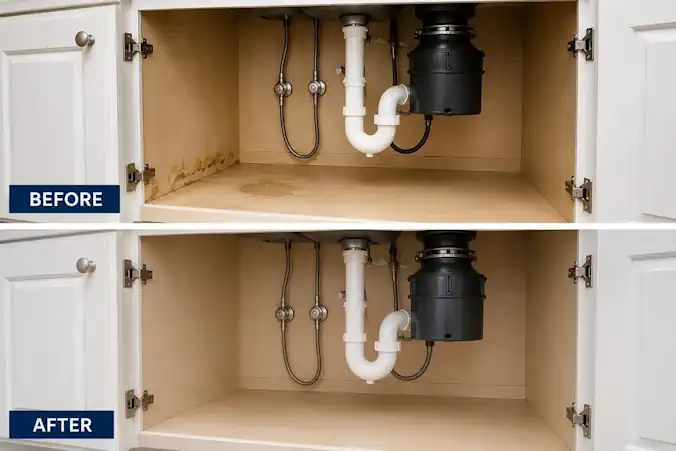
Many sellers think they don't need to make repairs to their home before listing it for sale or they can just give the buyer a credit for needed repairs. This is incorrect and could cost you thousands of dollars. (1) If a buyer sees that your home needs repairs they might not make an offer. (2) Most buyers will except a large discount. (3) Many buyers need to obtain a home loan and most lenders will require the repairs to be made prior to closing.
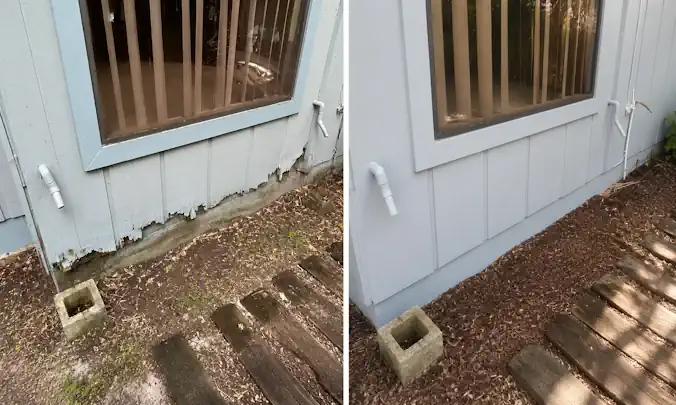
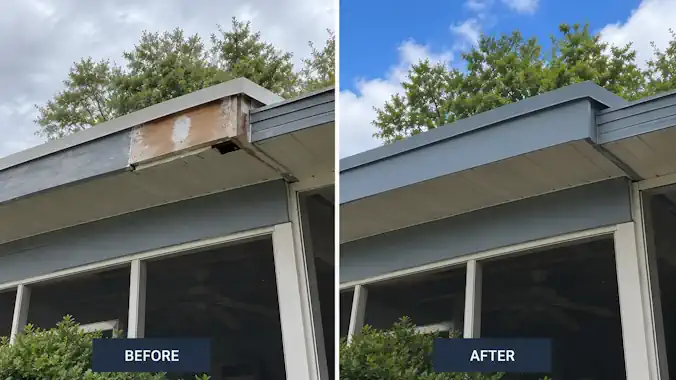
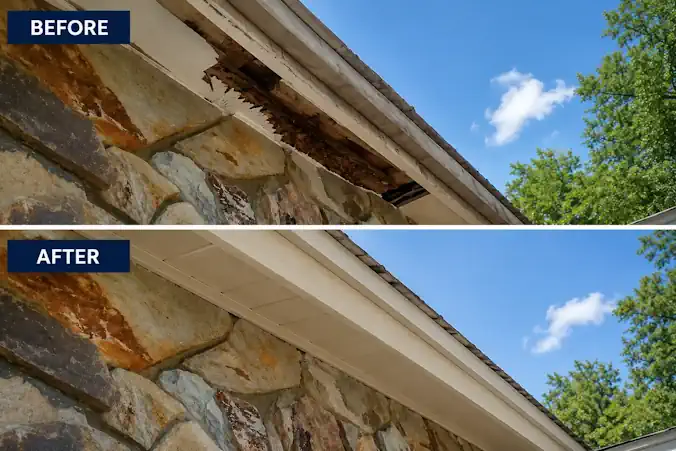
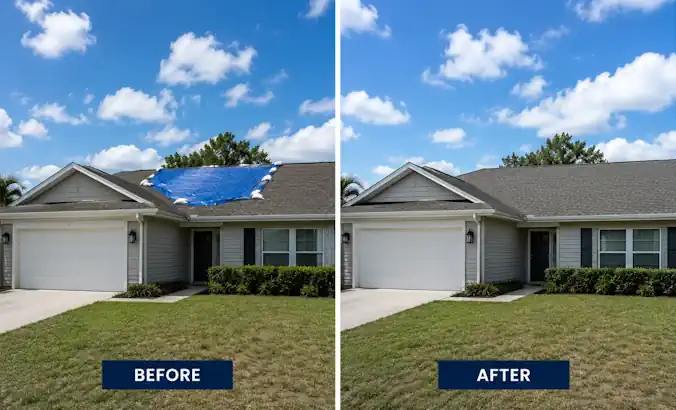
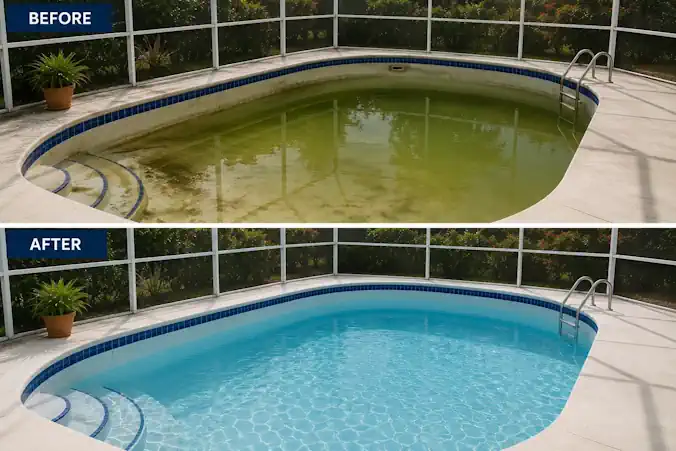
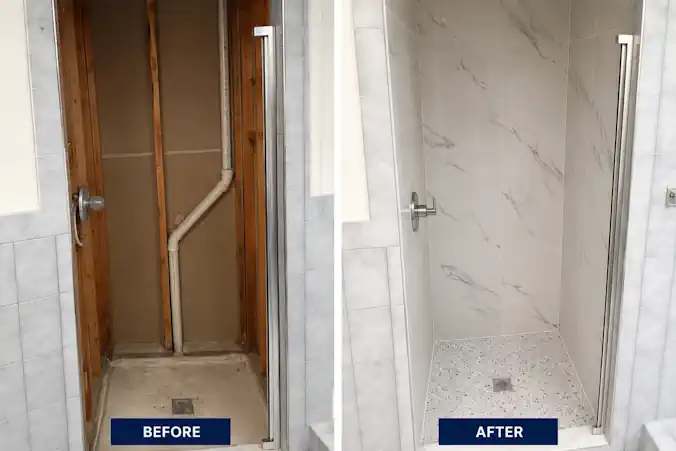
Making repairs before listing your home for sale can reduce delays, improve buyer confidence, create a stronger first impression, and help you obtain higher offers. Below are photos of the most common repairs that are needed. It is imperative that you make these repairs prior to listing your home for sale. It could cost you thousands of dollars if you don't.
Exterior Siding
Rotting or deteriorated siding can allow moisture intrusion and may be identified during the inspection or appraisal. Repairing damaged siding before listing improves curb appeal and buyer confidence.
Not Sure What Should Be Repaired Before Listing?
Many homeowners spend money fixing items that buyers may not care about while overlooking repairs that are needed and can delay a home loan. My team can help identify issues that may affect buyer interest, inspections, or appraisals and help you decide which repairs are worth making.
3 Cost-Effective Improvements That Can Help You Sell Faster and for More
You do not need to make expensive renovations to improve your home's marketability and value. Cleaning and decluttering, applying fresh paint, and improving basic curb appeal are three affordable updates that can create a stronger first impression, appeal to more buyers, and obtain higher offers.
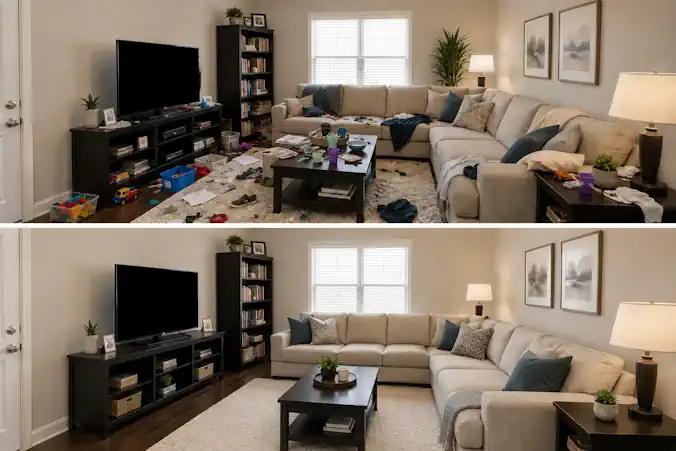
Clean and Declutter
Cleaning and removing excess clutter is one of the least expensive ways to improve buyer appeal. A clean, organized home feels larger, brighter, and better maintained, allowing buyers to focus on the rooms and features instead of the belongings inside.
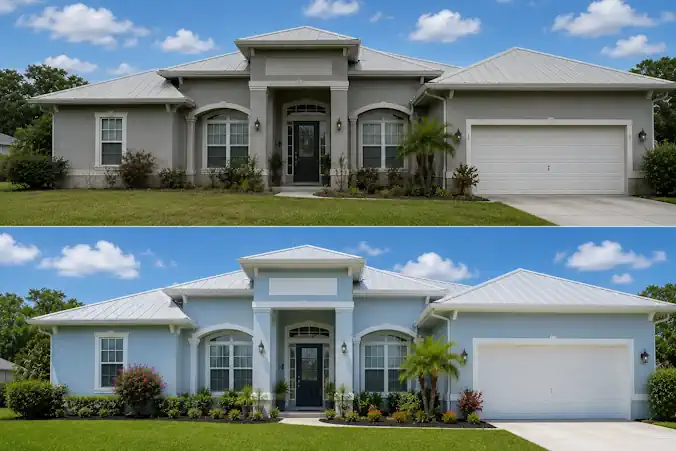
Fresh Paint
Fresh paint can make a home look newer, cleaner, and more inviting without the cost of a major renovation. Neutral or broadly appealing colors can improve curb appeal, reduce signs of wear, and help buyers picture the home as their own.
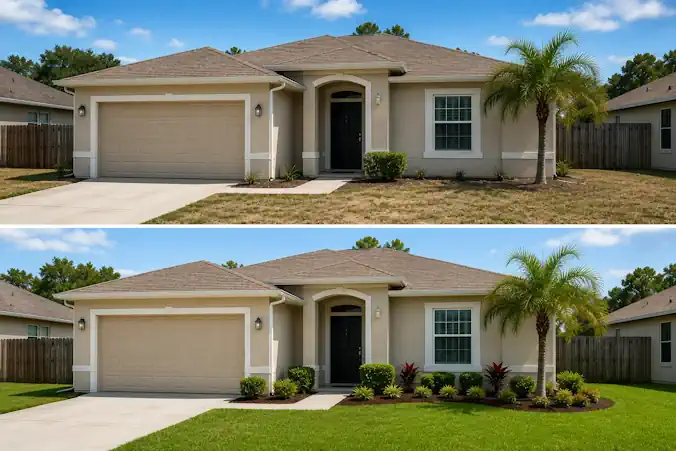
Simple Landscaping
Landscaping does not need to be extensive to make a difference. Healthy grass, trimmed shrubs, fresh mulch, and a few well-placed plants can improve curb appeal and create a positive impression before buyers enter the home.
Wondering Which Improvements Are Worth the Money?
Every property is different. Before spending money on repairs or updates, my team can help you identify the improvements most likely to strengthen buyer appeal and the items that may not provide a worthwhile return.
Should I Help Pay the Buyer's Closing Costs?
In most cases, we don't recommend that sellers pay the buyer's closing costs. When those costs are added to the purchase price, the contract price is artificially increased. This can become a problem if the home does not appraise for the higher amount.
Appraisals are often completed only a few weeks before closing. If the appraisal comes in below the contract price, the buyer may need to bring additional cash to closing. If they don't have those funds, you'll likely be asked to reduce your price, pay the buyer's closing costs yourself, or risk the contract falling apart.
It's also worth asking this question: If your home was truly worth the higher price that includes the buyer's closing costs, why wasn't it simply listed and sold for that amount in the first place?
If you do agree to contribute toward the buyer's closing costs, make sure the buyer has enough cash available to complete the purchase if the appraisal comes in low. Otherwise, you could find yourself renegotiating the contract or putting your home back on the market.
In many situations, the simplest approach is for buyers to pay their own closing costs and for the purchase price to reflect the true market value of the home.
What Happens After You Accept an Offer?
Accepting an offer is an exciting milestone, but there are still several important steps before the sale is complete. In most transactions, the buyer will deposit earnest money, schedule a home inspection, and work with their lender to obtain final loan approval. If the buyer is financing the purchase, the lender will also order an appraisal to confirm the home's value. During this time, both parties work through any contingencies outlined in the contract, such as inspections, financing, or the sale of another home.
Once all contingencies have been satisfied, the transaction moves toward closing. The title company prepares the necessary documents, the buyer conducts a final walk-through, and the closing paperwork is signed. After the funds have been transferred and the deed has been recorded, ownership officially changes hands and you receive the proceeds from the sale. Having an experienced real estate team guiding you through this process can help ensure everything stays on schedule and that any issues are resolved quickly.